Erie’s Specialist Here!
For Colliers Hill, Vista Ridge, and all those new builds, that white film isn't just dust.
That White Film Has a Name
You wipe it. It’s back tomorrow. On your counters, your floors, that brand new LVP you picked so carefully.
It’s silica dust. Leftover from construction. Tiny, gritty, and different from regular house dust. Scrub it the wrong way and you’re basically sanding your new finishes.
We know because we’ve cleaned dozens of homes in Erie’s new developments. Colliers Hill. Vista Ridge. The neighborhoods still finishing up. Same story everywhere.
We do this different. Lift the grit instead of grinding it. Clean that actually stays clean longer.
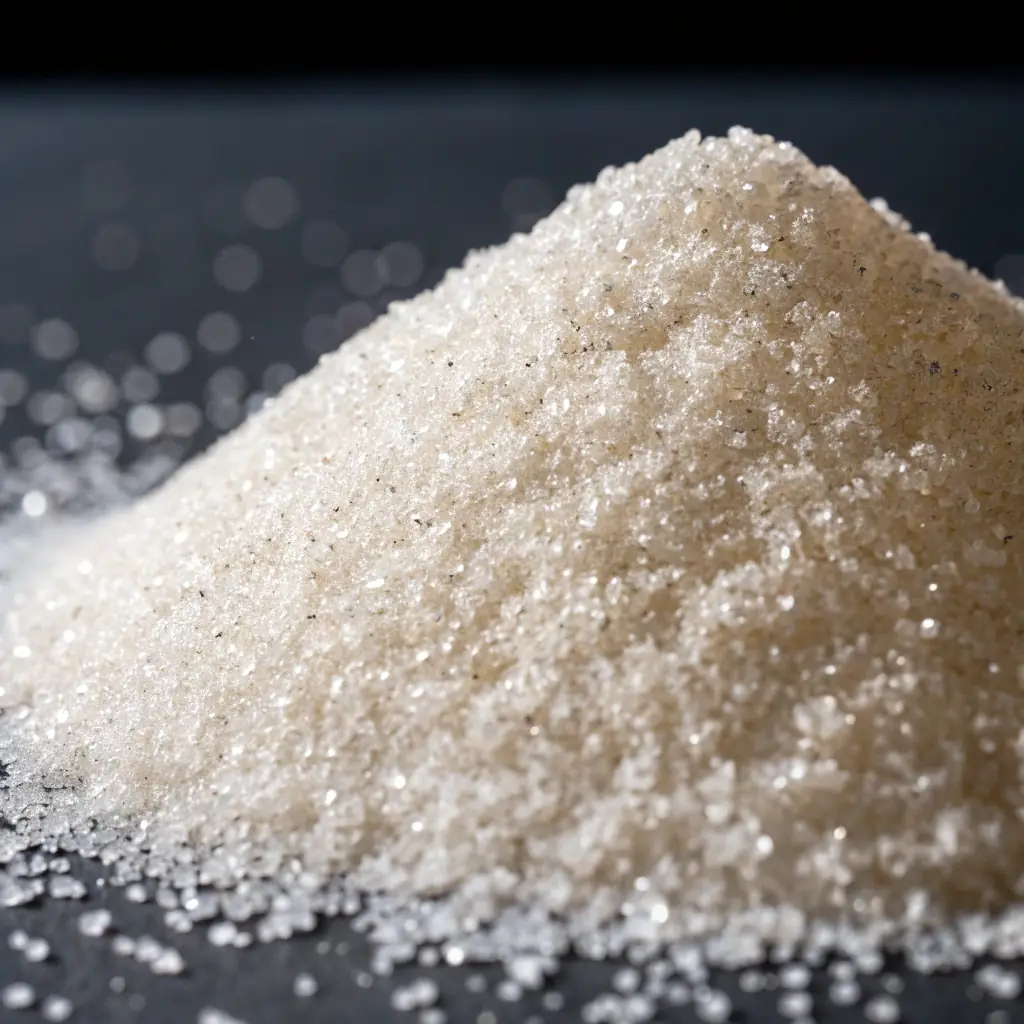
The Erie Cleaning Challenge: Silica Dust and Alkaline Soil
Built for New Construction
The Silica Problem Construction dust is jagged. It scratches. We use methods that float it away instead of scrubbing it in. Your floors and counters stay looking new.
Hard Water Spots Erie water leaves marks on glass and fixtures. We clean them without harsh acids that damage finishes over time.
Air That Actually Clears New homes settle. Drywall dust keeps finding its way out of walls and vents for months. We get it out instead of moving it around.
Protection That Lasts No sticky cleaners that grab tomorrow’s dust. Clean that works, then fades away completely.
PRO TIP
If you are in a home less than two years old, your HVAC filters are likely working double-time to catch drywall particulates. I recommend a MERV-11 filter changed every 30 days during the first year to protect your respiratory health.
What You Get
Simple and Direct
- Floors that don’t get dull from scrubbing
- Counters that feel clean, not tacky
- Windows without hard water spots
- Air that feels fresh, not heavy
- Someone who knows Erie’s new builds
Frequently Asked Questions
Find answers to common questions about our cleaning methods and services at Bella’s Mountain Vacation Cleaning.
We use advanced suspension chemistry and microbial extraction to ensure safe and effective cleaning, especially in Erie’s unique environment.
Yes, our cleaning processes are environmentally friendly and designed to protect your surfaces and the environment.
We employ specialized techniques that lift dirt without scratching or damaging your luxury vinyl and quartz surfaces.